
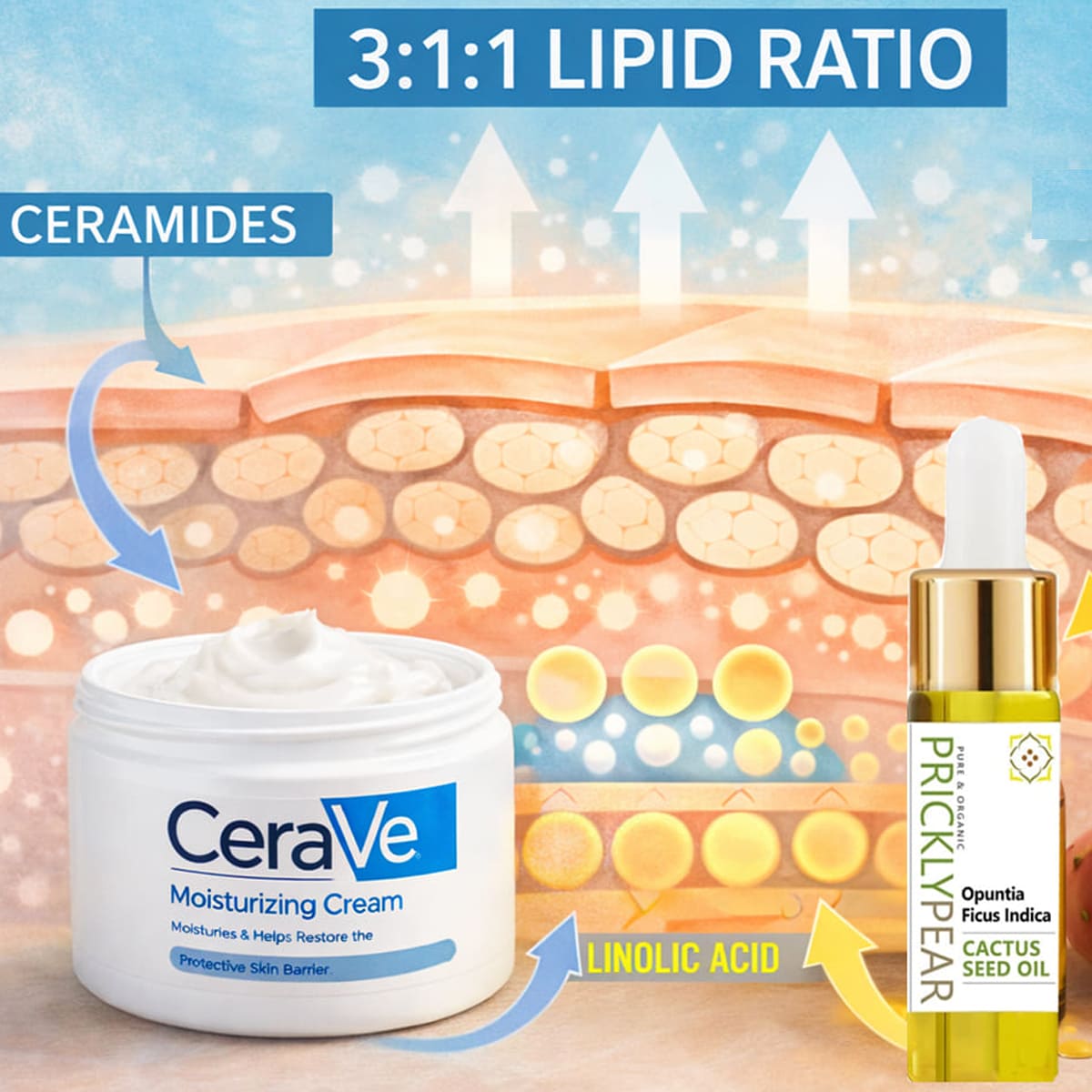
3:1:1 The Perfect Barrier Repair Formula

Your skin does far more than cover your body — it acts as a precision-engineered barrier that locks moisture in and keeps bacteria, allergens, and pollution out.
At the heart of that protection is a microscopic outer layer called the stratum corneum, which functions as the skin’s actual “barrier seal.” When that seal is disrupted — by harsh weather, irritants, eczema, or infection — a simple moisturiser is just not enough. That is where the 3:1:1 formula comes in.
This article explains the science, why it works, and how to replicate a prescription-grade barrier repair cream at home using two widely available products.
In brief: what is the 3:1:1 formula?
The 3:1:1 ratio ( often written as 3.1.1 ) refers to the natural lipid composition of a healthy stratum corneum: 3 parts ceramides, 1 part cholesterol, and 1 part free fatty acids. Restoring this exact balance is the most direct way to repair a damaged skin barrier.
Signs Your Skin Barrier May Be Damaged
Think of your skin cells as bricks and the lipid barrier as the mortar holding them together. A healthy barrier keeps water locked inside and irritants locked out. When the mortar breaks down, the structure fails.
The main lipid classes[1] are ceramides, long-chain free fatty acids, and cholesterol. In damaged or diseased skin, an altered lipid composition [2] and skin cell organization has often been noticed (18–20).
Studies looked at the mixtures of Ceramides (CER), Cholesterol (CHOL), and Free Fatty Acids (FFA) and tested the ratio of ingredients. This is crucial because they discovered that it is the long-chain fatty acids that help form the “bricks and mortar” of the skin barrier.
A prescription cream, Epiceram, available in the U.S., was produced to help actively repair damaged skin. Its success was said to be due to mimicking the skin’s natural 3:1:1 lipid ratio of ceramides, cholesterol, and free fatty acids:
- Ceramides (3 parts): provide structural support and barrier integrity
- Cholesterol (1 part): organizes lipid layers and stabilizes the barrier
- Free fatty acids (1 part, especially linoleic acid): maintain ceramide function and support barrier repair
Unfortunately, the cream was prescription only and it seems only available in the U.S. It now seems to be generally unavailable.
How This Works in Detail
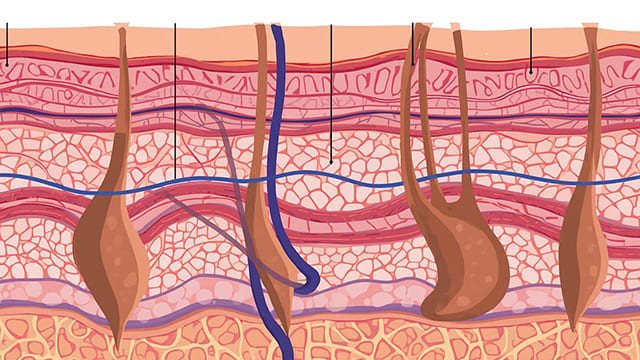
When the skin’s lipid balance is disrupted, the organization of lipids in the stratum corneum becomes less ordered. Instead of forming tightly structured layers, lipids may adopt more disorganized arrangements, reducing barrier efficiency.
In healthy skin, lipids are arranged in highly organized lamellar structures, which are essential for controlling water movement and barrier integrity. When this organization is impaired, transepidermal water loss (TEWL) increases, meaning water escapes more easily from the skin, and external irritants can penetrate more readily.
When a more optimal lipid balance is restored, the skin is better able to re-establish its layered structure. These lipid layers can transition into more ordered lamellar phases that support barrier function and hydration retention.
In well-functioning skin, lipid molecules can form tightly packed regions, sometimes described as orthorhombic-like packing domains, which contribute to a more impermeable barrier.
A Well-Established Approach to Barrier Support
Fortunately, widely available over-the-counter creams such as CeraVe are designed to support the skin barrier using a combination of biomimetic lipids and hydration agents.
CeraVe formulations include ceramides, cholesterol, and additional lipid-like components that help reinforce the stratum corneum barrier. Depending on the specific product, they may also include free fatty acids or fatty acid derivatives as part of the overall formulation system.
Rather than aiming to replicate an exact lipid ratio in a strict biochemical sense, these formulations support barrier function through a combination of ceramides, emollients, humectants (such as glycerin), and occlusive agents that reduce transepidermal water loss (TEWL).
Overall, this type of cream provides a well-researched foundational approach to barrier support, which can be complemented by lipid-rich botanical oils depending on individual skin needs.
A Step Closer to the 3:1:1 Concept?
To support skin barrier function, attention has focused on the balance of key lipids, including ceramides, cholesterol, and free fatty acids. Reduced levels of linoleic acid (C18:2) have been observed in certain dry and inflammatory skin conditions, where barrier function is impaired [13].
The 3:1:1 concept is based on approximate lipid proportions found in healthy stratum corneum, which includes ceramides, cholesterol, and a mixture of free fatty acids, including both saturated and unsaturated long-chain species.
Prickly pear cactus seed oil is naturally rich in linoleic acid (C18:2), an essential fatty acid that can be incorporated into epidermal lipid pathways. While it does not provide the same very-long-chain saturated fatty acids (C22–C24) emphasized in some structural barrier models, it can contribute to the skin’s external lipid environment.
Understanding the Role of Linoleic Acid
Linoleic acid is an essential fatty acid required for normal epidermal lipid synthesis. It becomes incorporated into structural lipids such as acylceramides, which are important components of the stratum corneum barrier matrix.
Inside the skin, elongation and modification of fatty acids are regulated by enzymes such as the ELOVL family. These pathways operate intracellularly and are not directly or immediately “activated” by topical application, although adequate lipid availability is necessary for normal function.
Linoleic acid has also been shown in experimental and biochemical studies to interact with lipid-regulating pathways such as PPAR-α, which are involved in broader epidermal differentiation and lipid homeostasis. However, the physiological impact of topical application in intact human skin is still an active area of research and should not be overstated.
Importantly, linoleic acid is a required structural component in the formation of acylceramides such as ceramide EOS, which contribute to the organization and water-retention properties of the stratum corneum lipid layers [15].
Rather than acting as a direct biological “switch,” linoleic acid is best understood as a structural lipid required for normal barrier composition and function.
Understanding the Role of Linoleic Acid
Linoleic acid is an essential fatty acid that plays a role in maintaining normal skin barrier structure. It is incorporated into epidermal lipids, including acylceramides, which are important components of the stratum corneum lipid matrix.
In skin biology, fatty acid chain elongation is carried out by enzymes such as the ELOVL family, which convert shorter fatty acids into longer-chain lipids required for barrier structure. However, the extent to which topical application of fatty acids directly influences these intracellular processes in human skin is still under investigation.
Linoleic acid has also been shown in biochemical and experimental studies to interact with lipid-regulating pathways such as :contentReference[oaicite:1]{index=1}, which are involved in maintaining skin homeostasis and barrier function.
Importantly, linoleic acid is a required component in the synthesis of acylceramides such as ceramide EOS, which contribute to the organization and water-retention properties of the stratum corneum lipid layers [15].
Rather than acting as a direct biological “trigger,” linoleic acid should be considered a structural and supportive lipid involved in maintaining healthy barrier composition.
How to Use: The Palm-Measure Method
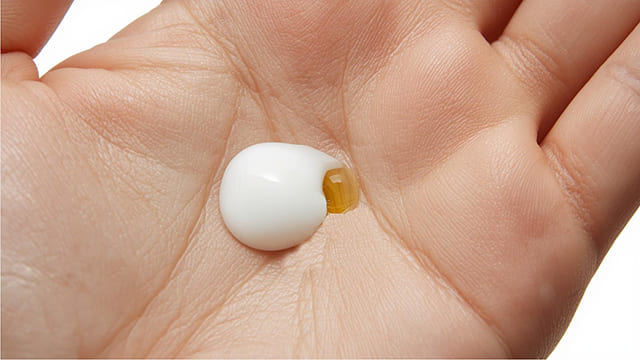
Getting the proportions right matters. Too much oil relative to cream can leave skin feeling greasy and may disrupt the occlusive layer CeraVe provides. The following amounts are intended as a practical starting guide.
| Application Area | Cream Amount | Prickly Pear Oil | Treatments (30g Tin) |
|---|---|---|---|
| Face only | ~0.5g (size of a large pea) | ½ – 1 drop | 60 Days |
| Face and neck | ~1.0g (two large peas) | 1 – 2 drops | 30 Days |
| One limb (arm or leg) | ~3.0g – 4.0g (golf-ball size) | 3 – 5 drops | 8 – 10 Uses |
Step-by-step application:
- Cleanse skin and leave it slightly damp — this helps lock in hydration
- Dispense the appropriate amount of CeraVe into your palm
- Add the measured drops of prickly pear seed oil
- Rub your palms briefly together to disperse evenly
- Press gently into skin rather than rubbing — this preserves the occlusive layer
Suggested Products
To replicate the EpiCream 3:1:1 approach at home, you need:
- CeraVe Moisturising Cream — provides ceramides, cholesterol, and occlusive hydration
- Prickly Pear Cactus Seed Oil — supplies linoleic acid and Vitamin E to complete the formula
Additional Benefits
Beyond barrier repair, consistent use may also help with:
- Redness and low-grade skin inflammation
- Minor dark spots and hyperpigmentation
- Overall skin texture and smoothness
For further skin-supporting oils, explore our Argan Oil for Skin range.
Frequently Asked Questions
While combining ceramide-based creams with fatty-acid–rich oils is a practical strategy for supporting the skin barrier, direct clinical comparisons between these approaches remain limited. Most dermatological research supports using a combination of barrier-supportive lipids rather than relying on a single ingredient.
What is the 3:1:1 ratio for skin barrier repair?
The 3:1:1 ratio refers to the natural lipid composition of a healthy stratum corneum: three parts ceramides, one part cholesterol, and one part free fatty acids. Applying products that mimic this ratio helps restore the structural integrity of a damaged barrier.
Is prickly pear oil comedogenic?
No. Prickly pear seed oil has a comedogenic rating of 1 (on a scale of 0–5), making it one of the least pore-clogging oils available. It is generally considered safe for acne-prone and oily skin types.
Can I use this routine if I have eczema or psoriasis?
Both CeraVe and prickly pear seed oil are widely used in the management of eczema and psoriasis. CeraVe is frequently recommended by dermatologists for these conditions. That said, if you have an active skin condition, it is worth checking with a dermatologist before making changes to your routine.
How often should I apply the CeraVe and prickly pear combination?
For barrier repair, once daily is typically sufficient — ideally after bathing on slightly damp skin. For maintenance once the barrier is restored, every other day or as needed is usually adequate.
What did EpiCream do?
EpiCream is a prescription emollient cream formulated to match the skin’s natural 3:1:1 ceramide ratio. It was designed to actively repair damaged skin barriers rather than simply moisturise them. It is currently prescription-only and primarily available in the United States.