

Argan Oil for Collagen: Does It Boost Production, or Just Protect What You Already Have?
Argan oil does not contain collagen itself, but its vitamin E, polyphenols and essential fatty acids help protect existing collagen from oxidative breakdown and support the skin conditions collagen needs to regenerate. Clinical research in postmenopausal women found both dietary and topical argan oil significantly improved skin elasticity within weeks, making it one of the most evidence-backed natural oils for collagen support.

Does Argan Oil Actually Increase Collagen Production?
Argan oil does not directly stimulate new collagen synthesis in the way a clinical retinoid or peptide can but research shows it protects existing collagen from breakdown and improves the skin conditions collagen needs to function, which is why postmenopausal women using it saw measurable elasticity gains. This is an important distinction: much of what damages collagen year to year is oxidative stress from UV exposure and pollution, not a lack of raw material, and this is exactly where argan oil’s antioxidant profile does its work.
Argan oil is exceptionally rich in tocopherols (vitamin E), polyphenols, ferulic acid and squalene.[0] These compounds neutralise the free radicals that otherwise break collagen strands into disorganised fragments, the process that shows up on skin as sagging and fine lines. A study on ursolic acid, a compound also present in argan oil, found it increased both ceramide and collagen levels in human skin cells when applied topically.[1]
The clearest human evidence comes from a clinical study on postmenopausal women, where researchers measured skin elasticity after daily oral and/or topical use of argan oil. Both consumption and application produced a significant increase in gross and net skin elasticity, alongside a significant decrease in transepidermal water loss.[2] Because commercial retinoids can thin the skin’s outer barrier with prolonged use, a well-tolerated, food-based alternative like argan oil is worth understanding on its own terms rather than as a copy of clinical actives.
Why Does Collagen Drop as You Age?
Collagen production declines with age mainly due to accumulated free radical damage, sun exposure, and for women, the sharp drop in oestrogen at menopause, which alone can account for a 30% loss of skin collagen in the first five years after your final period. Understanding which cause applies to you determines which intervention actually helps.
Collagen makes up a large proportion of the structural protein in your skin, giving it firmness and keeping wrinkles and sagging at bay. Production naturally slows with age, and several factors accelerate the decline:
- The natural aging process
- External factors, especially unprotected sunlight (UV)
- Hormone level changes, particularly falling oestrogen at menopause
- Smoking
- A diet poor in antioxidants and collagen-building amino acids
Free Radicals and Collagen Breakdown
Free radicals are highly reactive molecules produced by normal metabolism and increased by UV exposure and pollution. They damage collagen proteins, breaking the strand’s chemical structure. Once a bundle of collagen fibres accumulates multiple points of damage it becomes disorganised this disorganisation is what shows in the skin as sagging and wrinkles, rather than a simple lack of collagen.
A Note on Retinoid-Based Treatments
Commercial anti-aging products often use retinoids to try to increase collagen. However, prolonged retinoid use can reduce ceramide levels in the skin, which are themselves essential for collagen synthesis,[1] and can thin the stratum corneum layer that holds in moisture, leading to dryness. This is not a reason to avoid retinoids, which have strong clinical evidence behind them, but it is why many people pair them with a barrier-supporting oil rather than using them in isolation.
Collagen loss is not evenly distributed across your life it accelerates sharply at menopause. Clinical research measuring skin collagen content in postmenopausal women found losses of up to 30% in the first five years after menopause, a decline of roughly 2.1% per year sustained over 15 years far faster than the general age-related decline seen before menopause.[3][4] This is driven by falling oestrogen, which normally acts as a powerful natural antioxidant protecting collagen from cell damage. For menopausal and postmenopausal women, prevention and antioxidant support matter more, sooner, than for younger skin. We cover the full biochemistry and a structured dietary and topical routine in our guide to post-menopausal skin and argan oil, including the role of phytoestrogens from soy and isoflavones as a complementary approach.
Why Skin Hydration Matters for Collagen
Well-hydrated skin provides the environment collagen fibres need to stay organised and function properly. Clinical research shows argan oil measurably reduces water loss through the skin while a randomised, placebo-controlled trial of a collagen supplement found a 28% improvement in hydration against 9% for placebo. Hydration and collagen integrity are closely linked, not separate skincare goals.
Skin hydration is essential for maintaining skin elasticity and a youthful appearance. A 12-week randomised, placebo-controlled trial of 72 women found that a daily collagen peptide supplement improved skin hydration by 28% (versus 9% for placebo), alongside statistically significant gains in elasticity, roughness and density (p<0.0004 across all measures).[5]
Lipids in the outer skin layers are the building blocks of skin cells and play a vital role in hydration. They are synthesised from dietary fats, particularly oleic and linoleic fatty acids both of which are major components of argan oil. Research on argan oil found a significant decrease in transepidermal water loss alongside a significant increase in epidermal water content.[2]
Separately, a food supplement containing wheat-derived lipids and ceramides was found to restore hydration in patients with dry, itchy skin.[6] This research led to a product called Lipowheat, said to benefit very dry skin conditions such as eczema. Broader lipid replacement research concludes that “membrane lipids are essential to cellular membrane function… restoration by exogenous membrane lipids is a useful approach for maintaining and restoring cellular membrane function.”[7]
★ Top Tip: Can You Actually Rebuild Collagen You’ve Already Lost?
Not directly with a topical oil no oil, cream or supplement can rebuild degraded collagen strands back to their original structure. What argan oil, collagen supplements and similar antioxidant-rich sources can do is protect the collagen you still have from further oxidative damage, and support your skin’s own ongoing production of new collagen through better hydration and lipid balance. For established, deep collagen loss, dermatologist-administered treatments (retinoids, microneedling, laser) work at the structural level in a way no natural oil or supplement can but they work best alongside, not instead of, daily antioxidant and barrier support.
Which Oils Are Best for Supporting Collagen Production?
Among natural oils, argan and cactus (prickly pear) seed oil have the strongest combined evidence for supporting collagen-related skin elasticity as carrier oils, while frankincense, calendula and lavender contribute complementary antioxidant and wound-healing support as essential oils and extracts. No single oil outperforms a clinically proven active on its own — but used consistently, this group of carriers and essentials forms a well-evidenced supporting layer, including in the DIY blend below.
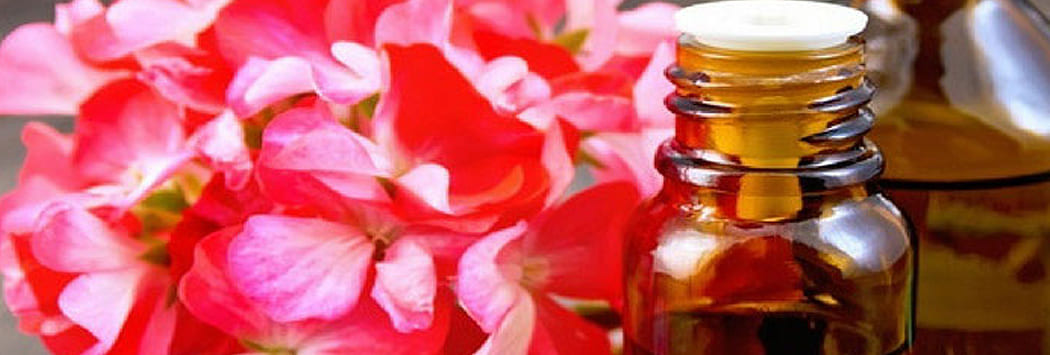
Carrier Oils
Argan Oil
Argan oil is a complex blend of nutrients: essential fatty acids, vitamin E, ursolic acid, carotenoids, polyphenols, ferulic acid, phytosterols[0] and squalene, all active in maintaining healthy skin cell growth. Its plant sterol content in particular is one of the features that sets it apart from many other carrier oils.
Cactus (Prickly Pear) Seed Oil
Cactus seed oil, cold-pressed from the seeds of Opuntia ficus-indica, is one of the most linoleic-acid-rich carrier oils available — a 2026 Moroccan chemical-profiling study found linoleic acid made up almost 74% of its fatty acid content, alongside high levels of γ-tocopherol (a form of vitamin E) and antioxidant phenolic compounds.[8] That fatty acid and antioxidant profile is why it is increasingly paired with argan oil in barrier-support and anti-aging blends, though — like argan oil — its role is protective and nourishing rather than a direct collagen stimulant.
Rosehip Oil
Rosehip oil is rich in antioxidants and high in vitamin C, and contains naturally occurring beta carotene, which works at a cellular level to support skin renewal.
Essential Oils & Extracts
Frankincense Essential Oil
Frankincense (Boswellia) essential oil is valued in skincare for its anti-inflammatory, skin-toning reputation. In an animal model, frankincense oil — including a nanoparticle-loaded delivery form — measurably reduced UVB-induced photodamage via signalling pathways linked to skin aging.[9] Human clinical evidence is still limited, so it is best used as a supporting, low-percentage essential oil within a blend rather than a primary active.
Calendula CO2 Extract
Calendula (Calendula officinalis, or marigold) is available for skincare as an oil, cream, or CO2-extracted concentrate. Applied to the skin, it is thought to help reduce the appearance of wrinkles by supporting collagen production and soothing inflammation — animal-model research on Calendula officinalis found it produced a significant increase in wound-healing markers, including collagen content.[10] A related plant, comfrey, shows similar wound-healing effects — see the Herbal Creams section below.
Lavender Essential Oil
Lavender is an ancient oil used medicinally for its antibacterial, antifungal and sedative properties. A Turkish study into its wound-healing effects found it helped stimulate the synthesis of fibronectin, glycosaminoglycan and collagenase — all connected with collagen production and tissue repair.[11]
A Simple DIY Argan & Cactus Seed Oil Blend
For a straightforward at-home facial-oil blend, combine argan oil and cactus (prickly pear) seed oil with a small amount of essential oil in a clean 60ml glass bottle. The finished blend contains 1% essential oils.
For a 60ml finished batch, use 54.4ml of argan oil, 5ml of cactus (prickly pear) seed oil and 0.6ml of essential oils. This gives a total essential-oil concentration of approximately 1%.
| Ingredient | Amount | Approx. Percentage |
|---|---|---|
| Argan Oil | 54.4ml | 90.7% |
| Cactus (Prickly Pear) Seed Oil | 5ml | 8.3% |
| Frankincense Essential Oil | 0.3ml | 0.5% |
| Lavender Essential Oil | 0.3ml | 0.5% |
The two essential oils can be combined at approximately 0.3ml each, giving 0.6ml in total. Drop counts are only approximate because drop size varies between oils, droppers and bottles; for greater accuracy, measure the essential oils by volume or weight.
Add the argan oil and cactus seed oil to a clean, dry bottle. Add the essential oils, cap the bottle and gently roll or shake to combine.
Use a few drops as you would a normal facial oil, morning and/or night, on cleansed skin. Store the bottle tightly closed and away from excessive heat and direct sunlight.
The Topical Herbal Creams Alternative for Collagen Support
Herbal creams containing comfrey, horsetail, copper peptides, aloe or Gotu Kola each support collagen through a different mechanism from clearing dead skin cells to slowing UV-driven collagen breakdown so the right choice depends on whether your priority is healing, hydration or anti-aging.

Comfrey Cream
Comfrey (Symphytum officinale, also known as knitbone) contains active compounds including allantoin, rosmarinic acid and tannins.[12] Rosmarinic acid is of particular interest for fighting the skin aging caused by UVA in sunlight excessive UVA exposure leads to dark spots, wrinkles and sagging through direct damage to collagen fibres.[13] Allantoin helps clear dead skin cells and supports collagen synthesis.[14] If UV-driven pigmentation as well as collagen loss is a concern, our guide to argan oil for hyperpigmentation and dark spots covers this in depth. You can find a comfrey and calendula cream from Earnshaws Herbal Dispensary.
Horsetail Cream
Many of the reported benefits of horsetail cream for collagen relate to its high silica content. Silica is thought to support connective tissues such as collagen and plays a role in regulating skin hydration, which in turn supports supple, better-conditioned skin.
Copper Peptide Creams
In the early 1970s, scientist Loren Pickart discovered that a copper tripeptide was central to wound healing and hair growth. Levels of copper(II)-peptide in human plasma are connected to slower wound healing and reduced collagen production in older age, which is why the synthetic form, GHK-Cu, is now used in many anti-aging skin and hair products. Several studies support the benefits of GHK-Cu creams,[15] and some early research suggests a copper peptide cream applied to the scalp may support hair growth.
Aloe
Research indicates aloe may help heal wounds by increasing collagen production, with one systematic review reporting collagen production increases of 90% or more in laboratory conditions.[16]
Gotu Kola (Centella asiatica)
Gotu Kola, like argan oil, is rich in vitamin A, amino acids, fatty acids, phytochemicals and triterpenoid saponins. In traditional medicine, extracts are used to calm inflammation, improve wound healing, heal scars, repair veins and strengthen skin, and it is thought to help stabilise connective tissue in skin conditions such as scleroderma.[17] Scientific studies also show Gotu Kola extracts are able to penetrate the skin to achieve these effects.[18]
Echinacea
The chemical composition of Echinacea extract has been examined for its reported skin effects.[19] Polyphenols isolated from Echinacea were tested for their ability to reduce collagen degradation by slowing oxygen radical damage, with research finding that topical Echinacea extract can help slow or prevent UV-induced collagen damage.[20]
Basil
“Holy” basil leaf contains eugenol, ursolic acid, rosmarinic acid, caryophyllene, oleanolic acid, carotenoids, vitamin C, calcium, iron, zinc and chlorophyll, all recognised for skin and general health benefits. Ursolic acid in particular is thought to promote skin healing and enhance elasticity.[21]
Vitamin-Rich Creams and Oils
Vitamin C: several clinical trials have examined the effects of topical vitamin C on aged and photo-damaged skin. In one placebo-controlled study of 25 volunteers, those applying a topical ascorbic acid (vitamin C) formulation saw a reduction in fine lines and wrinkles after around 12 weeks.[22]
Vitamin E: one of the most powerful antioxidants,[23] available topically in very high concentrations in argan oil. Taken as a dietary supplement, it can also help slow skin aging and aging of the body more broadly.
Do Oral Collagen Supplements Actually Work?

Oral Collagen for Lines and Wrinkles
Yes, with some limits: a 2026 systematic review and meta-analysis of 35 randomised controlled trials (2,534 participants) found oral collagen peptides produce statistically significant improvements in skin hydration and elasticity after 8-12 weeks of daily use.
In dermatology and cosmetic science, hydrated and elastic skin appears smoother. However, improving those metrics isn’t the same as reversing, deep-set wrinkle depth.
So, hydration & Elasticity is backed by evidence. Clinical trials show that oral collagen peptides reliably improve skin barrier function, transepidermal water loss (TEWL), and dermis density.
Claiming supplements “remove” or “erase” existing wrinkles implies structural restructuring that oral peptides simply don’t achieve on their own.
At most, better hydration and elasticity offers a visual plumping effect that softens fine lines. But that can go a long way to making skin look younger and help reduce wrinkles
Oral Collagen Improves Thinning and “Crepey” Skin
Where oral collagen really shines is in targeting thin, crepey skin rather than deep expression lines.
Crepey texture is primarily caused by a thinning dermis and a loss of structural elasticity. Bioavailable collagen peptides work by stimulating dermal fibroblasts to produce fresh collagen and hyaluronic acid, which clinical ultrasound studies show physically thickens the dermal layer and boosts elasticity within 8 to 12 weeks.
While it won’t totally dismantle deep-set expression folds, restoring this internal density and deep hydration plump the skin from within, making it one of the most scientifically supported ways to smooth out fine, crinkled texture.
Do Hydrolyzed Collagen Peptides Actually Get Absorbed?
Yes collagen peptides are broken down during digestion into small di- and tripeptides, including Pro-Hyp and Gly-Pro-Hyp, which have been directly detected in human blood within hours of oral ingestion of collagen hydrolysate. These fragments are unusually stable against further digestion and are thought to act as signalling molecules that prompt skin fibroblasts to produce more collagen, rather than simply being broken down into generic amino acids like other dietary protein.[25]
How Much Collagen Should You Take, and How Long Until You See Results?
Clinical trials showing measurable skin benefits have generally used daily doses of 2.5g to 10g of hydrolyzed collagen peptides for at least 8-12 weeks, with results typically first appearing around week 8 and continuing to improve through week 12. An 8-week trial in 69 women aged 35-55 using 2.5g or 5g daily found a statistically significant, roughly 7% average increase in skin elasticity rising to as much as 30% in some individuals, with older women (50+) showing the most pronounced benefit.[26] A separate 12-week trial using 2.5g daily alongside vitamin C, zinc and biotin found a 28% improvement in hydration versus 9% for placebo.[5] Products dosed well below 2.5g a day are unlikely to match the amounts used in these trials.
★ Top Tip: Genuine Collagen Supplements vs Marketing Hype
Look for a product listing hydrolyzed collagen peptides (sometimes labelled “collagen hydrolysate”) dosed at 2.5g or more per day, ideally combined with vitamin C. Products where collagen appears only as a minor ingredient in a proprietary blend, or where the labelled dose falls well under 2.5g, are unlikely to deliver the amounts shown to work in clinical trials regardless of how the marketing is worded.
Marine vs Bovine Collagen: Does the Source Matter?
Marine collagen peptides appear to be absorbed roughly 1.5 times more efficiently than collagen sourced from cows or pigs, reaching around 60% systemic bioavailability compared to about 40% for land-animal collagen but there is not yet enough head-to-head clinical research to say marine collagen produces visibly better skin results in practice. The bioavailability advantage comes from marine collagen’s amino acid profile (higher glycine, serine and threonine), which is absorbed efficiently via the gut’s PepT1 transporter.[27] For most people, consistency of use and adequate daily dose matter more than the specific animal source.
Do You Need Vitamin C With Your Collagen Supplement?
Vitamin C is an essential cofactor in the body’s own collagen synthesis process, and several of the clinical trials showing meaningful skin benefits used collagen peptides combined with vitamin C, zinc or biotin rather than collagen in isolation. A formula that omits vitamin C is not necessarily ineffective, but it has less direct clinical evidence behind that exact combination worth checking the label rather than assuming “collagen” alone is the active ingredient doing all the work.
Foods & Vitamins That Support Collagen
Collagen is built from dietary amino acids mainly proline, lysine and glycine so a diet rich in these building blocks, alongside antioxidant vitamins C and E, gives your skin the raw materials and the protection it needs to maintain collagen levels. Diet works on two fronts: slowing free-radical damage to existing collagen, and supplying the nutrients needed to build more.
The Role of Free Radical Oxidation in Collagen Loss
A good supply of antioxidants from food is essential to support collagen production and counter aging caused by free-radical damage. Two of the most potent dietary antioxidants are vitamin C and vitamin E. Vitamin C is found in high levels in many fruits, while very high levels of vitamin E are found in edible argan oil, and to a lesser extent round half as much in olive oil.
Glycine, Proline and Lysine
The simplest of the amino acids is glycine. Most proteins contain relatively little glycine, but collagen is the exception, containing around 35% glycine by composition.[28]
Proline is a related imino acid (not amino acid), important not only for collagen but also cartilage, gut lining and joint health. Lysine (or L-lysine) supports the conversion of fatty acids into energy and the absorption of calcium, and helps maintain a healthy digestive system. Adult dietary requirements for lysine are estimated at around 30mg per kg of bodyweight per day roughly 2g a day for a 70kg adult and it is abundant in a normal protein-rich diet.
Food Sources of Proline, Lysine and Glycine
Bone broths and collagen powders are a rich source. Powdered gelatin is up to 19% glycine by weight; pork skin around 16%; cod around 3%; chicken and turkey skin around 3%; bacon around 2.5%; lean beef around 2.2%. Egg whites also provide a useful source of glycine. Plant sources of glycine include spinach, kale, cabbage, bananas, beans and nuts.
Zinc
Zinc supports collagen synthesis by activating proteins essential to the process, and good zinc levels allow the body to heal skin damage more effectively. Good animal sources include beef, lamb, pork, shellfish, milk and cheese; vegetable sources include chickpeas, lentils, beans, nuts and seeds.
Vitamin C
Eating fresh fruit and vegetables has long been associated with better skin health. In terms of aging, vitamin C like vitamin E has a strong antioxidant effect: deep within collagen-producing cells, it interacts with amino acids to support healthy collagen synthesis, and is also the essential cofactor discussed above for anyone taking a collagen supplement.
Buy Pure Argan Oil to Use for Skin Care
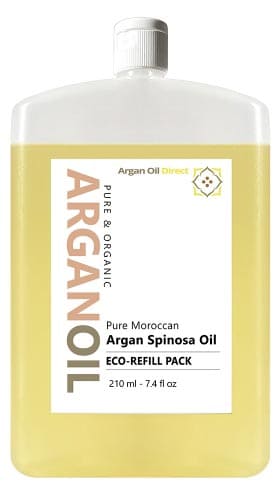
Organic Argan Oil double filtered with almost no Argan nut smell. The best choice for skin care & hair.
- ✓ 100% Pure Oil — No carrier oil blends
- ✓ Handmade in Morocco — Traditional Berber extraction
- ✓ Certified Authentic — USDA, CCPB & ONSSA certified
- Free USPS 7-9 Day Tracked Shipping to U.S. Price includes U.S. import taxes.
We sell 2 types of genuine, organic and pure cosmetic Argan Oil.
The first is our “Naturally Scented”. This is made from an extra-virgin cold-pressing and a single filtration process.
This grade of cosmetic Argan oil has a natural Argan nut scent and is recommended for blotchy, acne-prone or inflamed skin.
Our “Unscented” Argan Oil is the same extra-virgin oil which is filtered a second time. Unscented Cosmetic Argan Oil has less sediment, less water content and no smell.
It is the best choice for face, general skin care and hair treatments.
Buy both types of certified, organic Argan Oil for skin and hair from our on-line store.
You can also buy directly from some of web pages. Click on the “add to cart” buttons to purchase directly through Pay Pal checkout.
Prices include fast and Free Delivery Worldwide and all products are supported by our money-back guarantee.
Collagen FAQs
Argan oil and collagen is one of the most-searched combinations in natural skincare. Below are direct answers to the most common questions, drawn from clinical research and the traditional use of argan oil.
Does argan oil increase collagen production?
Argan oil does not add collagen to your skin, but research suggests it supports the conditions collagen needs to be produced and maintained reducing the oxidative damage that breaks it down and improving hydration and barrier function. Clinical research in postmenopausal women found measurable elasticity improvements with daily use.[2]
Which oil is best for rebuilding collagen?
No natural oil rebuilds already-degraded collagen structurally. Among carrier oils, argan oil has the strongest human clinical evidence for supporting collagen-related skin elasticity, with cactus (prickly pear) seed oil, rosehip, calendula and lavender offering complementary antioxidant and wound-healing support.
Can you rebuild collagen in your face?
Not with a topical oil alone. Collagen production naturally slows with age and drops sharply at menopause; oils, diet and supplements can protect what you have and support ongoing production, but restoring significant lost volume typically requires clinical treatments such as retinoids, microneedling or laser therapy.
What is the fastest way to increase collagen?
There is no genuinely fast route to new collagen synthesis takes weeks, not days. Clinical trials of oral collagen peptides show measurable improvements from around 8 weeks, continuing to improve through 12 weeks;[26][5] combining a proven topical active (retinoid, vitamin C or peptide serum) with daily SPF and an antioxidant-rich carrier oil like argan oil supports and protects those results.
Do collagen supplements really work for skin?
Yes, within limits. A 2026 meta-analysis of 35 randomised controlled trials found oral collagen peptides significantly improve skin hydration and elasticity after 8-12 weeks of consistent daily use, though claimed improvements in wrinkles and roughness were not statistically robust across the full body of evidence.[24]
How long does it take for collagen supplements to work?
Most clinical trials showing measurable results ran for 8-12 weeks of daily use, with elasticity improvements typically strongest at the 12-week mark. Expect to commit to at least two to three months before assessing whether a collagen supplement is working for you.[26]
Is marine collagen better than bovine collagen for skin?
Marine collagen is absorbed somewhat more efficiently than bovine or porcine collagen, but there is not yet enough direct clinical comparison to say it produces visibly better skin results.[27] Dose and consistency of use matter more than the specific animal source.
Is argan oil good for wrinkles?
Yes. Argan oil’s antioxidants help protect collagen and elastin from the oxidative damage that causes wrinkles, and clinical research in postmenopausal women found significant improvements in skin elasticity with regular oral and topical use.[2]
Does argan oil help sagging or crepey skin?
Argan oil can help by improving hydration and reducing further collagen breakdown, which supports skin firmness over time. It is not a substitute for clinical treatments where sagging is advanced, but it is a well-evidenced part of a daily supporting routine.
Is argan oil good for scars?
Argan oil may help improve the appearance of some scars and post-inflammatory marks over time through its anti-inflammatory and barrier-repair properties, though it is more effective on recent marks than long-established, deep scarring.
Does castor oil help with collagen production?
There is limited direct clinical evidence that castor oil boosts collagen production specifically. It is a thick, occlusive oil valued mainly for moisturising and softening skin; for collagen support, argan oil and clinically dosed collagen peptide supplements currently have considerably stronger published research behind them.
Is argan oil anti-aging?
Yes its combination of vitamin E, polyphenols, ferulic acid and essential fatty acids gives it a well-documented antioxidant and barrier-repair profile, both of which are directly relevant to the free-radical damage that drives visible skin aging.[0]